- Wellness Retreats Near Assagao & Moira, Goa | An Escape for Luxury and Relaxation
- Moira, Assagao & Aldona | Hidden Luxury in North Goa
- 3-Day Monsoon Itinerary In North Goa Luxury Village — Complete Tour Guide
- Luxury But Not Crowds | Couples Should Stay in North Goa - Travel Guide
- Unexplored Villages of North Goa | North Goa Travel Guide
- Explore Heritage Sites of North Goa | Complete Travel Guide & Tips
- A Cultural Journey Through History, Heritage, and Luxury Travel | Portuguese Influence on Goa
- Ucassaim’s Hidden Charms: Why North Goa’s Most Authentic Luxury Escape Begins Here
- Where to Travel in India - 2026: Discover India’s Most Refined Luxury Escapes with Lamrin Hotels & Resorts
- Discover Your Perfect Time to Visit Lamrin Ucassaim – North Goa’s Luxury Boutique Heritage Escape
- Sunny Hinduja's Unforgettable Stay at Lamrin Ucassaim, Goa
- Discovering Ucassaim's Most Instagrammable Villa in North Goa
- Secluded Romance: Discovering Plunge Pool Villas in Lamrin Ucass
- Explore Rural Goa: An Offbeat Guide to Hidden Charms
- Exploring Lamrin Ucassaim, Goa: A Guide to Unforgettable Experie
- A Virtual Tour of Lamrin Goa Villa
- The Changing Seasons: Experiencing Lamrin Ucassaim throughout th
- Romantic Escapes and Honeymoon Havens at Lamrin Ucassaim
- Embracing Slow Living: Finding Serenity in Lamrin Ucassaim
- Family-Friendly Activities in Goa During Monsoon
- Best Villa in Goa : Lamrin Ucassaim, Goa
- Embrace Tranquillity and Adventure at Lamrin Goa Ucassaim
- Unveiling Lamrin Ucassaim: A Hidden Gem in Goa
- Planning Your Perfect Getaway: Tips for a Memorable Stay at Lamrin
- Experience Opulent Tranquillity: A Luxurious Retreat at Lamrin Goa
- Luxury Living: Inside the Most Exclusive Private Villas in Goa -
- Unveiling Goa's Hidden Gems: Photography Tours for the Adventurous Photographer
- Embracing the Soulful Summers of Lamrin Ucassaim, Goa
- Cycling Trails and Bike Tours: Exploring Ucassaim's Countryside
- Off the Beaten Path: Discovering Lamrin Ucassaim's Charm
- Luxury Living at Lamrin Ucassaim: A Paradise of Elegance in Goa
- A Jewel of 18th Century Villa in Goa
- Lamrin Goa Ucassaim: Where Unforgettable Moments Await You.
- Romantic Getaways: Planning the Perfect Couple's Retreat at Lamrin Ucassaim Goa Villa
- Family-Friendly Fun: Creating Memories at Lamrin Ucassaim Goa.
- Luxurious Retreat: Experience Lamrin Ucassaim Goa Villa
- Planning Your Dream Wedding: Say "I Do" at Lamrin Ucassaim Goa V
- Reflections on Lamrin Ucassaim, Goa: Personal Stories and Memories from Visitors
- Experience Unparalleled Luxury at Ucassaim Goa Villa by Lamrin
- Advantages of Staying in a Luxury Villa : A Lamrin Experience
- Best villa at North Goa in 2024
- Best 5-Star Hotel in North Goa
- Luxury Villa Near The Beach in Goa
- 5 Star Resorts in Goa
- Do 30 Activities for a memorable stay in Goa
- Check 20 Factors before booking a Hotel in Goa
- Safe Hotel in Goa for Family Couples and Bachelors
- Luxury Cottages in North Goa
- Best Tips for Choosing Hotels in Goa
- Top 5 Attractions Near Lamrin Ucassaim Villas in Goa
- Top 10 Goa attractions you must see at least once in your life
- Ultra Luxury Villas in Goa
- A list of popular dishes in North Goa
- Hotels in Goa
- Luxury Living: Experiencing Lamrin Goa's Premium Accommodations
- Discovering Lamrin Goa Ucassaim's Most Instagrammable Villa
- Experience Timeless Luxury: Discover the Best Hotel in North Goa at Lamrin Ucassaim
- Discover Lamrin Ucassaim: The Ultimate Pet-Friendly Hotel in North Goa
- 5 Offbeat Adventures Near Lamrin Ucassaim: Explore Rural Goa’s Hidden Charms
- Escape the Crowds: Experience Peaceful Goa at Lamrin, Ucassaim
- Goa Beyond Beaches: Hidden Gems and Offbeat Experiences You Must Explore in 2025
- A Digital Detox Weekend at Lamrin Goa: Reconnect with Nature and History
- Top Beaches Near Lamrin Morjim Goa – A Complete Guide for Travelers
- A Journey Through Time: Staying in an 18th-Century Portuguese Villa in North Goa
- Luxury Redefined: Why Lamrin Ucassaim is the Best Villa Stay in North Goa
- Chasing Monsoon Magic: Why Goa Shines in the Rainy Season
- Lamrin Hotels and Resorts recognized as "The Best Boutique Cottages & Resorts" at 10th ITCTA Awards
- Monsoon Magic in Morjim: Why Goa's Rainy Season is the Best Time to Visit This Beach
- Famous Cafes Near Morjim Beach: Where Celebrities Unwind
Goa is unlike any other destination in India. Beyond its beaches and nightlife lies a rich cultural story shaped by more than 450 years of Portuguese rule. This long colonial influence transformed Goa’s architecture, cuisine, religion, and lifestyle, creating a rare Indo-European identity that still defines the region today. From old churches and Latin quarters to vibrant food traditions and heritage homes, Portuguese influence can be experienced in almost every corner of Goa.
For modern travellers, Goa has evolved into more than just a beach destination. It is now a place where culture and luxury travel blend seamlessly. Travelers searching for luxury villas in North Goa or peaceful heritage stays are increasingly choosing experiences that offer both comfort and cultural depth.
The Beginning of Portuguese Influence in Goa
The Portuguese arrived in Goa in 1510 under the leadership of Afonso de Albuquerque after capturing the territory from the Bijapur Sultanate. Goa’s coastal position made it a powerful centre for maritime trade between Europe and Asia. During this period, spices such as pepper and cinnamon were highly valuable commodities, and Goa quickly became one of the most important trading ports in the region.
As Portuguese rule expanded, Old Goa developed into the capital of Portuguese India. Over time, European traditions merged with local customs, resulting in a unique cultural identity that continues to shape Goa even today.
_77a509bc.png)
The Cultural Identity of Goa
Portuguese influence introduced Christianity, European customs, music, festivals, and social traditions that gradually blended with local Goan life. Today, many Goan families still carry Portuguese surnames such as D’Souza, Fernandes, and Rodrigues, while celebrations like Christmas and Carnival remain central to Goa’s festive culture. The relaxed lifestyle, colourful streets, and artistic atmosphere seen across North Goa are deeply connected to this colonial past. This cultural richness is one reason travellers increasingly choose luxury resorts in North Goa that offer heritage-inspired experiences instead of crowded commercial stays.
Portuguese Architecture and Goa’s Visual Identity
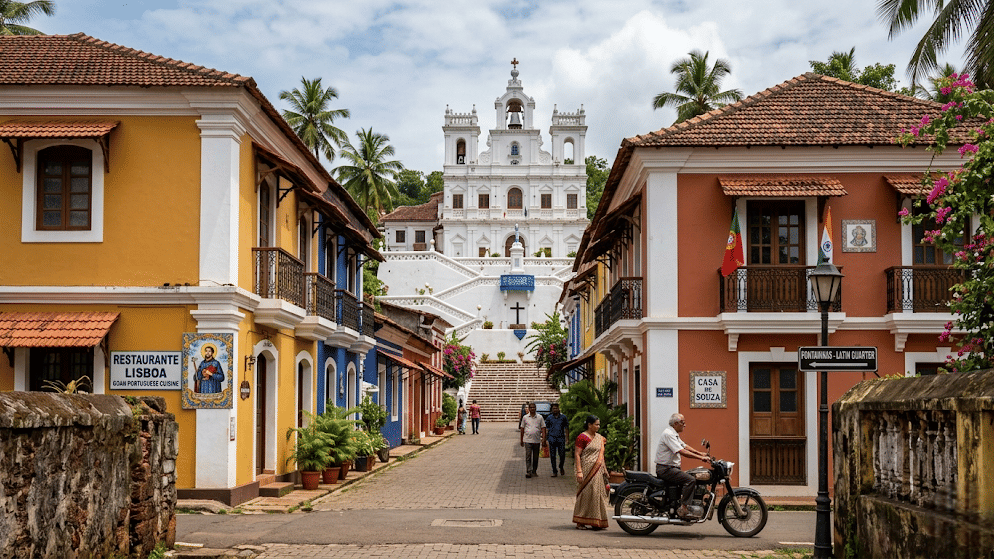
One of the most visible reminders of Portuguese influence is Goa’s architecture. Brightly painted villas, red-tiled roofs, arched windows, and elegant balconies continue to define the region’s aesthetic charm. These structures were designed to suit Goa’s tropical climate while maintaining European architectural styles. Historic landmarks such as the Basilica of Bom Jesus and Se Cathedral remain iconic symbols of Goa’s colonial history. Another must-visit destination is Fontainhas, the Latin Quarter of Panaji, where narrow streets and colourful Portuguese homes create an atmosphere unlike anywhere else in India.
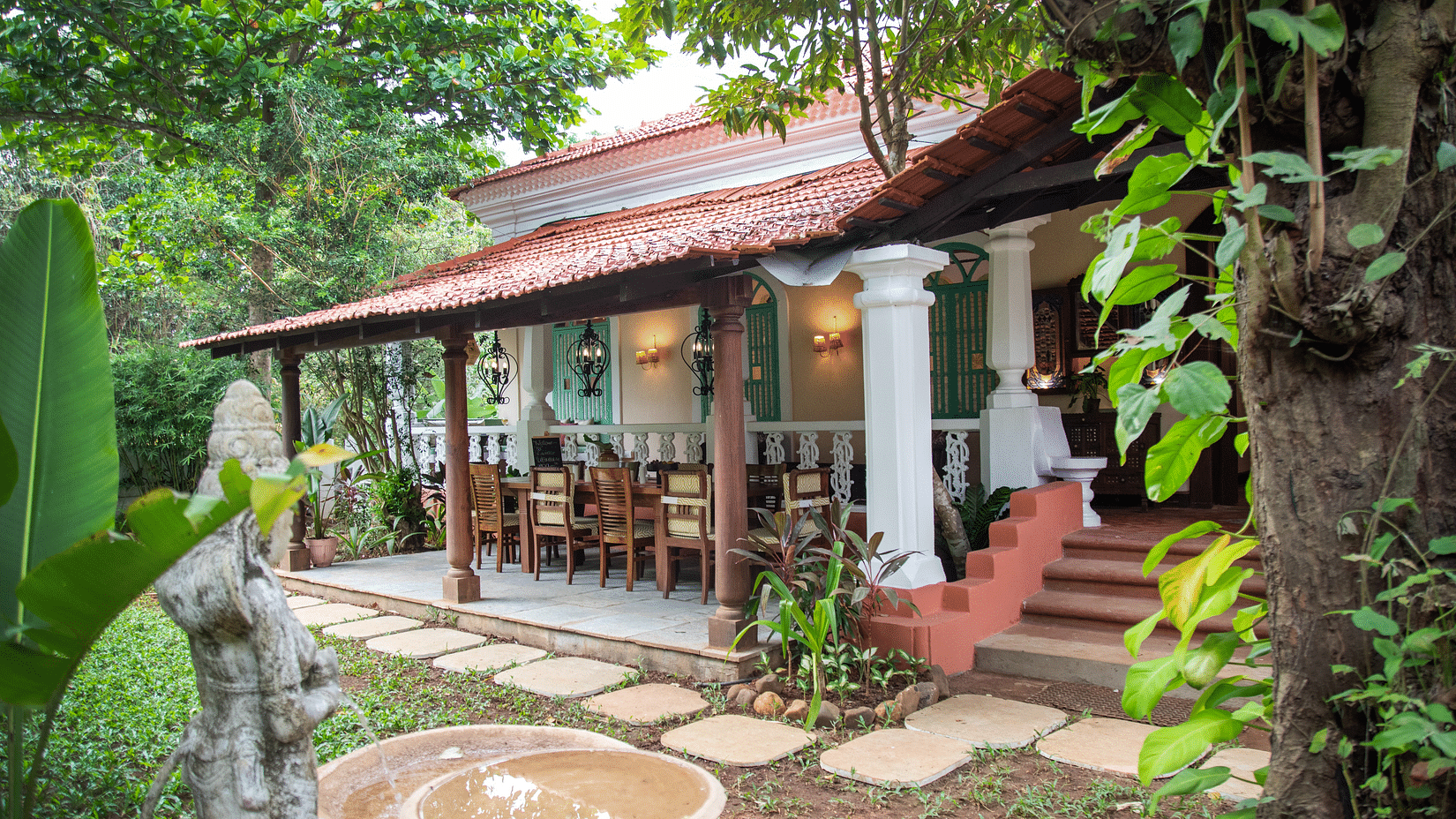
This timeless architectural style has also influenced modern hospitality. Many luxury villas in Assagao and luxury hotels near Moira now incorporate Indo-Portuguese design elements to offer travellers a refined yet culturally rooted stay experience.

The Portuguese Impact on Goan Cuisine
Goan cuisine tells another important part of this story. Portuguese traders introduced several ingredients to India through Goa, including chillies, tomatoes, potatoes, and vinegar, all of which later became staples in Indian cooking. Today, some of Goa’s most famous dishes reflect this culinary fusion. Vindaloo, inspired by the Portuguese dish “Carne de Vinha d'Alhos", combines Indian spices with Portuguese cooking techniques. Desserts like Bebinca and traditional preparations such as Sorpotel continue to preserve centuries-old influences.
Food is now a major part of Goa’s luxury travel experience. Boutique cafés, heritage restaurants, and curated dining experiences allow visitors to explore the region’s history through flavours that have evolved over generations.
Exploring Portuguese Goa Today
Travellers who want to experience Portuguese Goa can explore several historic and cultural destinations across North Goa. Old Goa remains famous for its churches and cathedrals, while Fontainhas offers charming heritage walks through colourful Latin streets. Fort Aguada provides another glimpse into Goa’s colonial past through its preserved fortifications and coastal views. Staying near these heritage zones allows visitors to enjoy Goa at a slower and more immersive pace. Many travellers searching for luxury hotels in Moira or heritage-inspired accommodations prefer locations surrounded by traditional villages, old churches, and peaceful landscapes rather than busy tourist hubs.
Why Heritage Stays Matter
Luxury travel in Goa is increasingly shifting toward experiences rooted in culture, privacy, and authenticity. Travellers are no longer looking only for beachfront stays; many now prefer boutique properties that reflect Goa’s architectural and cultural heritage. Places like Lamrin Ucassaim Goa offer this balance by combining refined hospitality with proximity to heritage neighbourhoods, churches, and old Goan villages. These quieter locations allow visitors to explore the cultural side of Goa while enjoying modern comfort away from crowded tourist hubs.
Best Time to Experience Goa’s Heritage
The ideal time to explore Portuguese Goa is between November and February, when the weather remains cool and comfortable for heritage walks and outdoor exploration. Winter temperatures typically range between 20°C and 28°C, creating perfect conditions for visiting churches, forts, village cafés, and cultural neighbourhoods. During monsoon months, heavy rains can limit outdoor activities, while summer temperatures often become too warm for long sightseeing experiences.
Conclusion
Portuguese influence on Goa is more than a historical legacy. It is a living cultural experience reflected in the region’s architecture, cuisine, festivals, and everyday lifestyle. From centuries-old churches and colourful Latin quarters to heritage-inspired luxury stays, Goa offers travellers an experience that feels both timeless and deeply immersive. Whether exploring luxury villas in Assagao, relaxing in luxury hotels in North Goa, or discovering premium villas in Aldona and Assagao, travellers can experience a side of Goa where heritage and modern luxury exist beautifully together.